 NZ licence
  Haiti
HaitiCan you drive in Haiti with an NZ license?
Short answer: you cannot drive in Haiti on an NZ license or an International Driving Permit alone — Haiti requires a local or temporary licence.
An International Driving Permit is not sufficient to drive in Haiti. Haiti does not accept the IDP for foreign visitors — a local or temporary licence is required. Always confirm the current rule before you travel.
New Zealand drivers should carry an International Driving Permit alongside their licence when driving abroad. Your International Driving Permit is a certified multilingual translation of your existing licence, prepared in the Local rules format and carried alongside your national licence.


What driving in Haiti is like
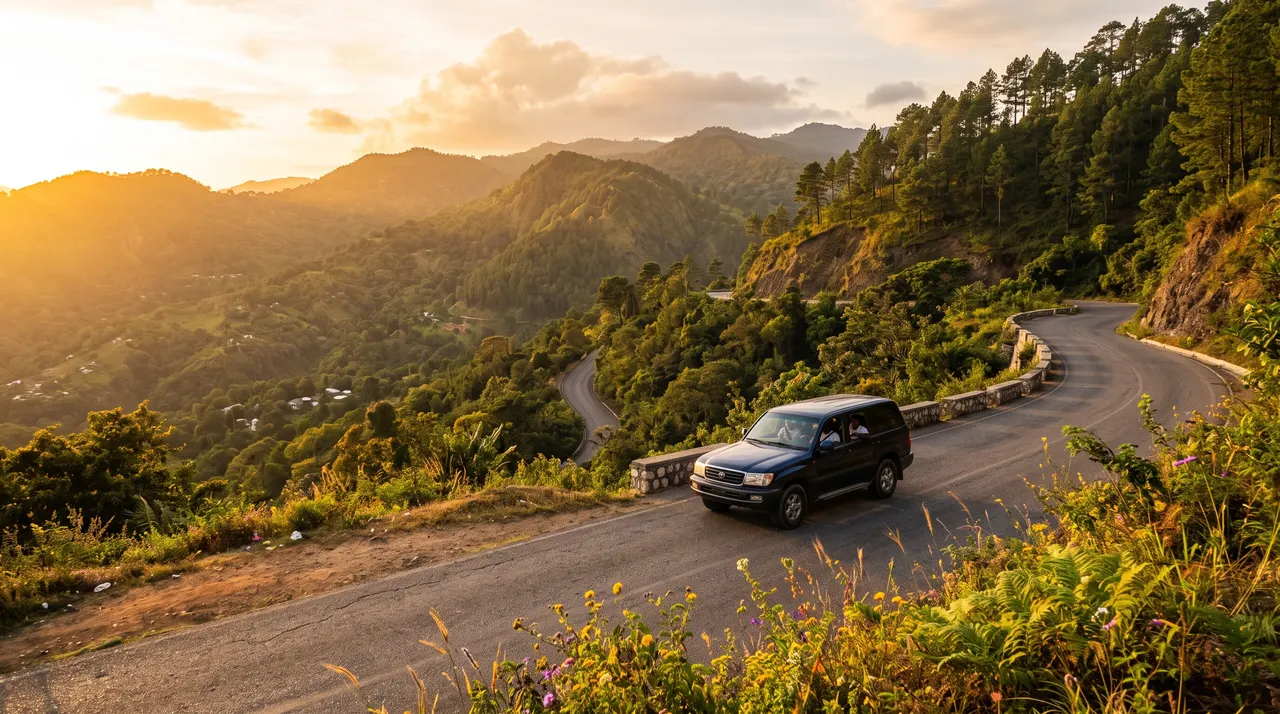
The mountain road from Port-au-Prince up to the cool pine-forest town of Kenscoff and Furcy offers a notable, scenic ascent. For most visitors the real draw is the freedom to reach places trains and tours don't, on your own schedule, with the open road generally capped around 80 km/h highways. Getting behind the wheel is the easy part: your International Driving Permit is a certified translation of your NZ licence, carried alongside it, so rental staff and officials in Haiti can read your credentials at a glance.
What applies to NZ licence holders in Haiti
| NZ licence in Haiti | |
|---|---|
| Do you need an IDP? | An IDP is not sufficient here |
| IDP format required | Local licensing rules apply |
| Your NZ licence script | Roman (Latin) alphabet |
| New Zealand is party to | 1949 Geneva |
| Drives on the | Right-hand side |
| Minimum driving age | 18 |
| Emergency number | 114 (police) |
| Top speed limit | 80 km/h highways |
| Currency | HTG |
Driving rules in Haiti you should know
- Drive on the right.
- Congested, poorly marked roads.
- 0.08% alcohol limit.
- Carry passport, IDP and home licence.
Local driving facts in Haiti
Emergency number: 114 (police) (112 also connects from most mobiles). Typical maximum for cars on the fastest road class: 80 km/h highways. Posted limits always take precedence.
Tolls & road charges in Haiti
There are no formal toll motorways or vignette system; roads are free, though conditions vary widely from paved to rough mountain tracks.
Parking in Haiti
Parking is informal and unmetered; in Port-au-Prince use guarded hotel or attended lots, never leave a vehicle unattended on the street, and avoid blocking the congested, narrow downtown lanes.
Penalties & enforcement in Haiti
Formal traffic enforcement is sporadic; the bigger risks are unofficial checkpoints and demands for cash, so keep documents and small bills accessible and avoid driving at night outside city centers.
If you have an accident in Haiti
Emergency response is limited; call the Police Nationale d'Haiti (114) where reachable, but in practice it is safest not to stop in unsafe areas, drive to a police station or secure location, and contact your embassy and rental firm.
City driving in Haiti
Port-au-Prince traffic is dense, chaotic and largely unsignposted, with tap-tap shared taxis stopping anywhere; gridlock, potholes and the risk of roadblocks make a local driver or daytime-only travel strongly advisable.
Winter driving in Haiti
No winter-tyre rules - tropical climate.
Fuel in Haiti
Stations (Sol, Total, National) sell gasoline and diesel by the gallon, but supply is unreliable with periodic shortages and queues, so fill up whenever possible and carry cash as cards are rarely accepted.
Sources: internationaldriversassociation.com, internationaldrivingauthority.com, tyremap.com, internationaltravelpermits.com