 Japan licence
  Liechtenstein
Can you drive in Liechtenstein with a Japan license?
Short answer: to drive in Liechtenstein with a Japan license you need an International Driving Permit in the 1949 Geneva or 1968 Vienna format, carried together with your Japan license.
Yes — to drive in Liechtenstein on a Japan licence you should carry an International Driving Permit together with your Japan licence. Liechtenstein expects foreign drivers to hold an IDP.
Japanese drivers should carry an International Driving Permit (1949 Convention) with their licence when driving abroad. Your International Driving Permit is a certified multilingual translation of your existing licence, prepared in the 1949 Geneva & 1968 Vienna format and carried alongside your national licence.


What driving in Liechtenstein is like
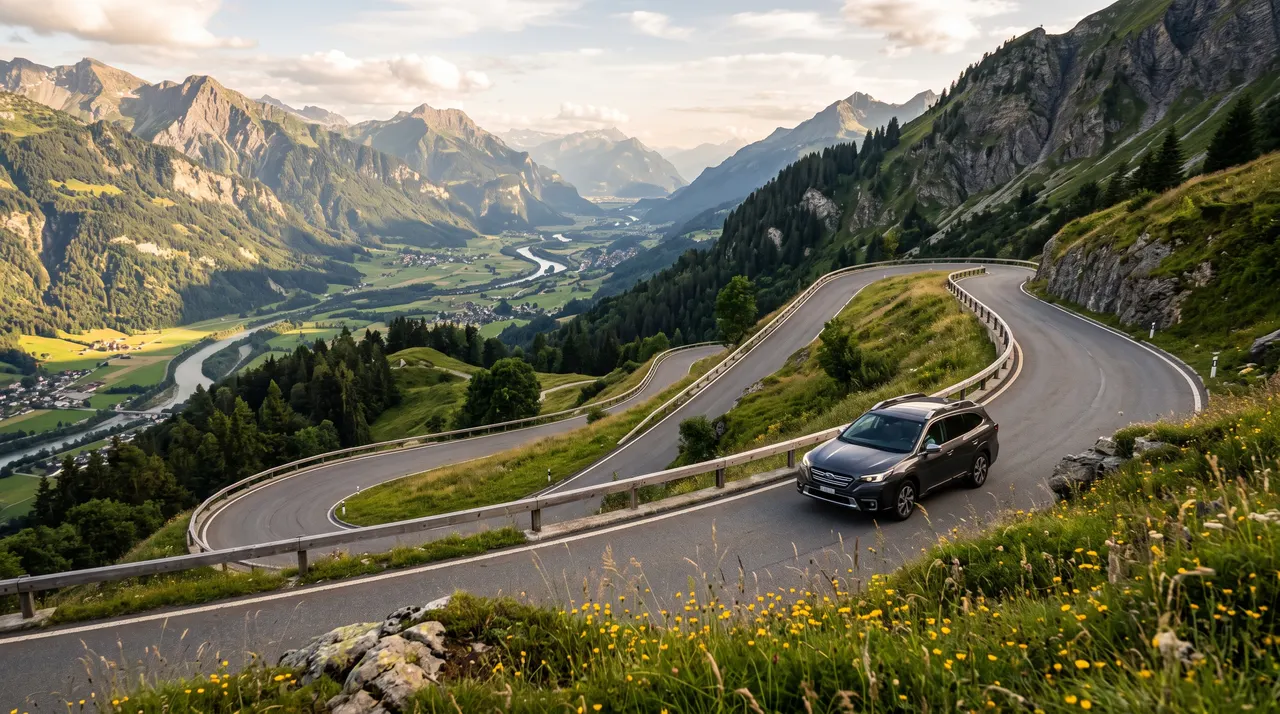
The hairpin mountain road climbing from Triesenberg up to the ski village of Malbun offers dramatic Alpine views over the Rhine valley. For most visitors the real draw is the freedom to reach places trains and tours don't, on your own schedule, with the open road generally capped around 80 km/h open roads (Swiss motorways 120). Getting behind the wheel is the easy part: your International Driving Permit is a certified translation of your Japan licence, carried alongside it, so rental staff and officials in Liechtenstein can read your credentials at a glance.
What applies to Japan licence holders in Liechtenstein
| Japan licence in Liechtenstein | |
|---|---|
| Do you need an IDP? | Yes — carry one alongside your licence |
| IDP format required | 1949 Geneva or 1968 Vienna |
| Your Japan licence script | Not in the Roman alphabet — an IDP translation is expected |
| Japan is party to | 1949 Geneva |
| Drives on the | Right-hand side |
| Minimum driving age | 18 |
| Emergency number | 112 |
| Top speed limit | 80 km/h open roads (Swiss motorways 120) |
| Currency | CHF |
Driving rules in Liechtenstein you should know
- Drive on the right.
- Headlights on at all times.
- 0.05% alcohol limit; 0.01% for new drivers.
- Swiss vignette for connecting motorways.
Local driving facts in Liechtenstein
Emergency number: 112 (112 also connects from most mobiles). Typical maximum for cars on the fastest road class: 80 km/h open roads (Swiss motorways 120). Posted limits always take precedence.
Tolls & road charges in Liechtenstein
Liechtenstein has no toll roads or vignette of its own, so driving inside the country is free; however you almost always arrive via Switzerland (CHF 40 annual motorway vignette) or Austria (digital vignette), so check your rental already carries the relevant sticker.
Parking in Liechtenstein
Vaduz parking is colour-coded: white zones are paid pay-and-display (or free where marked), and blue/red zones allow limited free parking only with a parking disc obtainable from police stations, banks and tourist offices.
Penalties & enforcement in Liechtenstein
Speed and traffic enforcement mirrors Switzerland and is strict: fines rise steeply with speed and exceeding the urban limit by 26 km/h (or 31 km/h outside towns) after tolerance triggers licence withdrawal. Camera fines are forwarded to the renter by the rental company.
If you have an accident in Liechtenstein
Dial 112 (or police 117, ambulance 144) for any injury accident; for minor damage-only cases exchange details on a European Accident Statement and notify the rental firm, and do not move vehicles after an injury crash until police attend.
City driving in Liechtenstein
Vaduz is small and walkable - the Städtle main street through the centre is largely pedestrianised, so use the signposted car parks below the castle rather than driving into the core.
Winter driving in Liechtenstein
Winter tyres are not legally mandated by date, but you are legally liable if you cause an obstruction without suitable tyres in snow/ice, so winter tyres are strongly advised and snow chains may be required on the alpine road up to Malbun in winter.
Fuel in Liechtenstein
Stations sell unleaded 95/98 (Bleifrei) and diesel, mostly self-service with card and contactless accepted; prices track Switzerland and are quoted in Swiss francs, roughly CHF 1.75-1.90 per litre.
Sources: rac.co.uk, llv.li, tollguru.com, rhinocarhire.com