 Japan licence
  Nicaragua
Can you drive in Nicaragua with a Japan license?
Short answer: to drive in Nicaragua with a Japan license you need an International Driving Permit in the 1949 Geneva format, carried together with your Japan license.
Yes — to drive in Nicaragua on a Japan licence you should carry an International Driving Permit together with your Japan licence. Nicaragua accepts foreign licences, but an IDP is needed because Japan licences are not in the local alphabet.
Japanese drivers should carry an International Driving Permit (1949 Convention) with their licence when driving abroad. Your International Driving Permit is a certified multilingual translation of your existing licence, prepared in the 1949 Geneva format and carried alongside your national licence.


What driving in Nicaragua is like
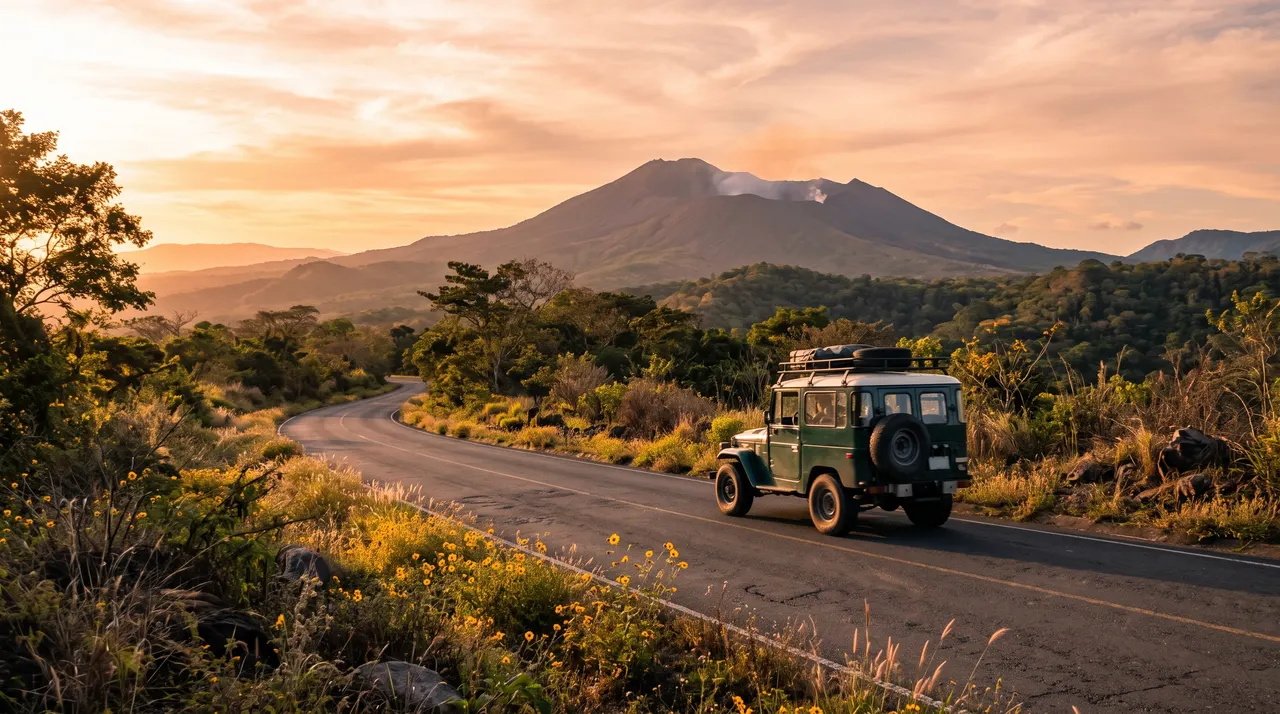
The CA-1/CA-2 run south past the Masaya volcano toward Granada and the colonial Pacific is the drive visitors most often search for. For most visitors the real draw is the freedom to reach places trains and tours don't, on your own schedule, with the open road generally capped around 100 km/h highways. Getting behind the wheel is the easy part: your International Driving Permit is a certified translation of your Japan licence, carried alongside it, so rental staff and officials in Nicaragua can read your credentials at a glance.
What applies to Japan licence holders in Nicaragua
| Japan licence in Nicaragua | |
|---|---|
| Do you need an IDP? | Yes — carry one alongside your licence |
| IDP format required | 1949 Geneva |
| Your Japan licence script | Not in the Roman alphabet — an IDP translation is expected |
| Japan is party to | 1949 Geneva |
| Drives on the | Right-hand side |
| Minimum driving age | 21 |
| Emergency number | 118 (police), 128 (ambulance) |
| Top speed limit | 100 km/h highways |
| Currency | NIO |
Driving rules in Nicaragua you should know
- Drive on the right.
- Avoid night driving on rural roads.
- 0.05% alcohol limit.
- Watch for carts and livestock.
Local driving facts in Nicaragua
Emergency number: 118 (police), 128 (ambulance) (112 also connects from most mobiles). Typical maximum for cars on the fastest road class: 100 km/h highways. Posted limits always take precedence.
Tolls & road charges in Nicaragua
Nicaragua has no toll roads, bridges or tunnels anywhere; the entire road network including the CA-1 Pan-American Highway is free to use.
Parking in Nicaragua
Park in well-lit, guarded lots or hotel parking, especially overnight in Managua; informal attendants watch cars for a small cordoba tip. Street theft from parked cars is a real risk, so leave nothing visible.
Penalties & enforcement in Nicaragua
Cars on foreign plates are stopped more often; for violations police may confiscate your licence until the fine is paid. Typical fines cover speeding, no seatbelt and phone use, and rental firms pass on any tickets to your card.
If you have an accident in Nicaragua
Do not move the vehicles; wait for police and insurance representatives before anything is moved. Call 118 for police; drivers in a serious-injury or DUI crash can be taken into custody, and a police report is mandatory for claims.
City driving in Nicaragua
Managua has almost no street names and navigates by landmarks and large rotondas (e.g. Rotonda Metrocentro), so directions are given relative to points of reference, which baffles first-time visitors.
Winter driving in Nicaragua
No winter-tyre rules - tropical climate.
Fuel in Nicaragua
Stations sell gasolina (regular/super) and diesel at roughly US$1.30 per litre, are attendant-served, and city stations take cards while many rural ones and tolls/shops are cash-only; fill up before long rural stretches.
Sources: travel.state.gov, tollguru.com, globalpetrolprices.com