 France licence
  Serbia
Can you drive in Serbia with a France license?
Short answer: to drive in Serbia with a France license you need an International Driving Permit in the 1968 Vienna format, carried together with your France license.
Yes — to drive in Serbia on a France licence you should carry an International Driving Permit together with your France licence. Serbia expects foreign drivers to hold an IDP.
French drivers should carry an International Driving Permit with their licence when driving outside the EU and EEA. Your International Driving Permit is a certified multilingual translation of your existing licence, prepared in the 1968 Vienna format and carried alongside your national licence.


What driving in Serbia is like
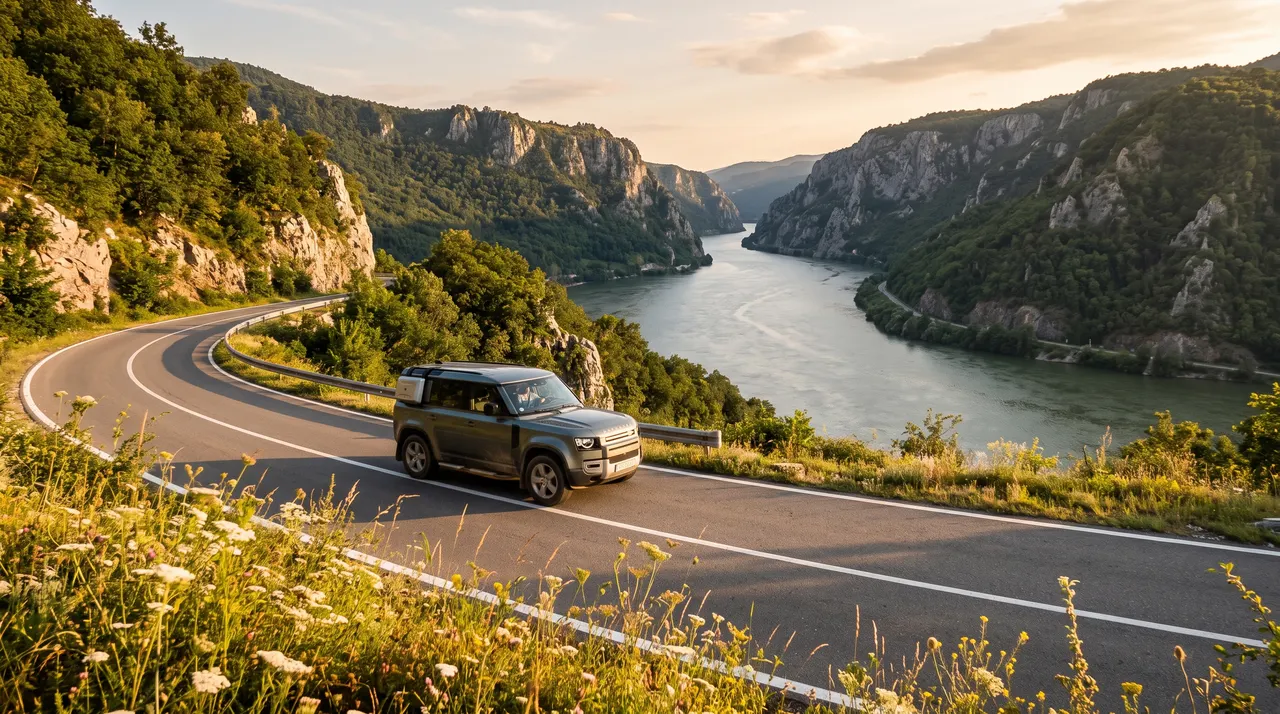
The drive through the Iron Gates (Djerdap) gorge along the Danube is Serbia's most celebrated scenic road. For most visitors the real draw is the freedom to reach places trains and tours don't, on your own schedule, with the open road generally capped around 130 km/h motorways. Getting behind the wheel is the easy part: your International Driving Permit is a certified translation of your France licence, carried alongside it, so rental staff and officials in Serbia can read your credentials at a glance.
What applies to France licence holders in Serbia
| France licence in Serbia | |
|---|---|
| Do you need an IDP? | Yes — carry one alongside your licence |
| IDP format required | 1968 Vienna |
| Your France licence script | Roman (Latin) alphabet |
| France is party to | 1949 Geneva and 1968 Vienna |
| Drives on the | Right-hand side |
| Minimum driving age | 18 |
| Emergency number | 112 or 192 |
| Top speed limit | 130 km/h motorways |
| Currency | RSD |
Driving rules in Serbia you should know
- Headlights on at all times.
- Reflective vest, triangle and spare bulbs required.
- 0.03% alcohol limit.
- Toll motorways on main corridors.
Local driving facts in Serbia
Emergency number: 112 or 192 (112 also connects from most mobiles). Typical maximum for cars on the fastest road class: 130 km/h motorways. Posted limits always take precedence.
Tolls & road charges in Serbia
There is no vignette in Serbia; motorways use a distance-based ticket system where you take a ticket on entry and pay cash or card on exit, or use the contactless ENP/TAG transponder.
Parking in Serbia
Belgrade and other cities run zoned paid street parking (red, yellow and green zones with time limits) paid by SMS or app; overstaying or non-payment risks fines and wheel-clamping or towing.
Penalties & enforcement in Serbia
Speeding, no seatbelt and handheld phone use draw fines often payable on the spot in cash; daytime running headlights are compulsory outside towns, and rental firms forward camera fines with an admin fee.
If you have an accident in Serbia
Call 192 for police (or 112 general emergency); a police report is mandatory for any injury or significant damage and is needed to take a damaged vehicle out of the country, so do not move vehicles until police attend.
City driving in Serbia
Belgrade's main bottleneck is the Gazela Bridge over the Sava and the city-centre paid zones; trams and one-way streets in the old core make navigation tricky.
Winter driving in Serbia
From 1 November to 1 April winter tyres are required when there is snow/ice, and you must have snow chains in the boot, fitting them where road signs indicate.
Fuel in Serbia
Petrol is sold as Eurosuper BMB 95 and 98 plus Euro Diesel; stations are typically attended (an attendant may pump for you) and accept cards, with prices around 200 RSD per litre.
Sources: rac.co.uk, mfa.gov.rs, vintrica.com