 South Africa licence
  Syria
SyriaCan you drive in Syria with a South Africa license?
Short answer: to drive in Syria with a South Africa license you need an International Driving Permit in the 1949 Geneva format, carried together with your South Africa license.
Yes — to drive in Syria on a South Africa licence you should carry an International Driving Permit together with your South Africa licence. Syria expects foreign drivers to hold an IDP.
South African drivers should carry an International Driving Permit alongside their licence when driving abroad. Your International Driving Permit is a certified multilingual translation of your existing licence, prepared in the 1949 Geneva format and carried alongside your national licence.


What driving in Syria is like
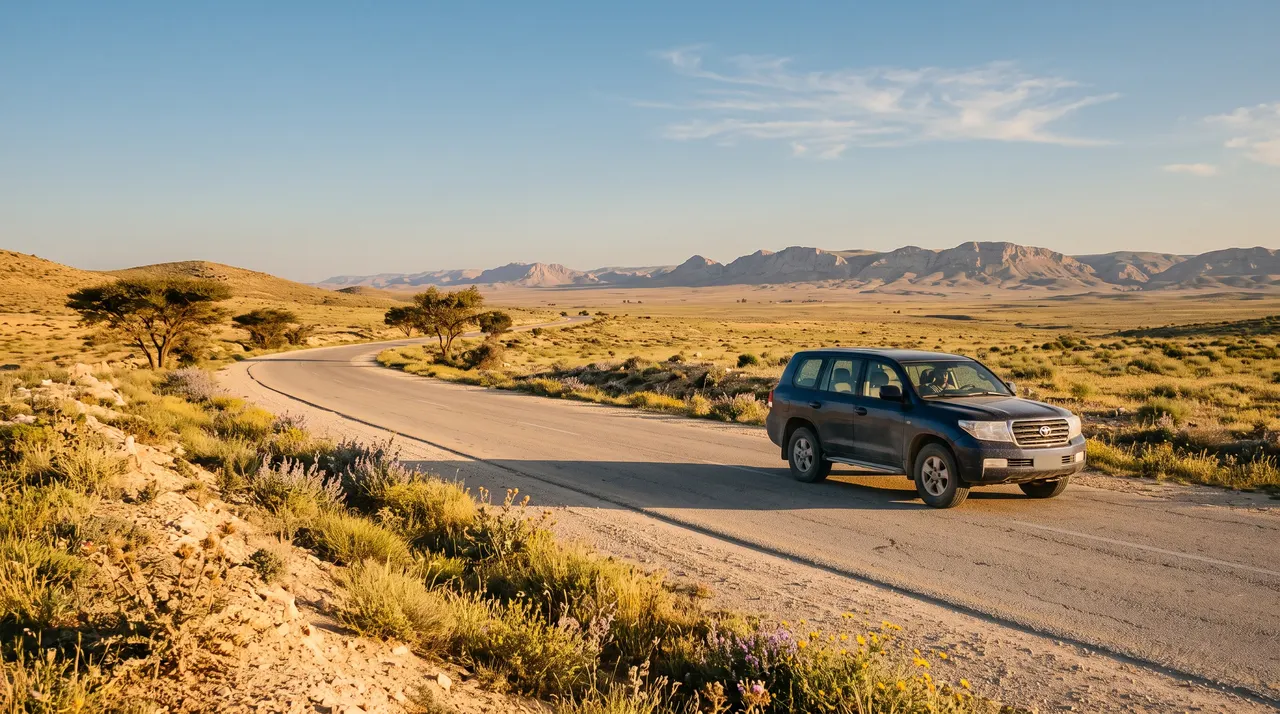
The historic Damascus-to-Palmyra desert road is the route travellers most associate with Syria, though security conditions should be checked before any travel. For most visitors the real draw is the freedom to reach places trains and tours don't, on your own schedule, with the open road generally capped around 110 km/h motorways. Getting behind the wheel is the easy part: your International Driving Permit is a certified translation of your South Africa licence, carried alongside it, so rental staff and officials in Syria can read your credentials at a glance.
What applies to South Africa licence holders in Syria
| South Africa licence in Syria | |
|---|---|
| Do you need an IDP? | Yes — carry one alongside your licence |
| IDP format required | 1949 Geneva |
| Your South Africa licence script | Roman (Latin) alphabet |
| South Africa is party to | 1949 Geneva and 1968 Vienna |
| Drives on the | Right-hand side |
| Minimum driving age | 18 |
| Emergency number | 112 (police), 110 (ambulance) |
| Top speed limit | 110 km/h motorways |
| Currency | SYP |
Driving rules in Syria you should know
- Drive on the right.
- Numerous security checkpoints.
- Carry passport, IDP and home licence.
- Drive defensively on intercity roads.
Local driving facts in Syria
Emergency number: 112 (police), 110 (ambulance) (112 also connects from most mobiles). Typical maximum for cars on the fastest road class: 110 km/h motorways. Posted limits always take precedence.
Tolls & road charges in Syria
There is no modern electronic toll network; intercity highways are generally untolled, though occasional checkpoints and informal fees may be encountered, and most road payments in practice are cash in Syrian pounds.
Parking in Syria
Parking in Damascus and other cities is informal and congested, commonly on-street with attendants collecting cash; there are no standardised colour-coded paid zones, and vehicles are best left in guarded lots where available.
Penalties & enforcement in Syria
Traffic police levy on-the-spot cash fines for speeding, seatbelt and phone-use violations; enforcement is inconsistent and largely manual rather than camera-based, and driving without an IDP plus national licence can lead to problems at checkpoints.
If you have an accident in Syria
After a crash you must stop and not move vehicles until authorities arrive; contact police (general emergency 112) and obtain an official report for any insurance or legal process, noting checkpoints and language barriers make documentation essential.
City driving in Syria
Damascus city traffic is congested and unpredictable, mixing cars, motorcycles and pedestrians with little lane discipline, and numerous security checkpoints where you must stop and present your IDP and national licence.
Winter driving in Syria
Winter tyres are not legally mandated nationally, but snow and ice affect mountain roads near Damascus and the western highlands in winter, where chains may be needed; coastal and desert areas have no winter rules.
Fuel in Syria
Petrol (often rationed) and diesel are sold, frequently in short supply with long queues; fill up whenever possible and refuel in cities where supply and price are better, and carry cash as card payment is rarely available.
Sources: internationaldrivingpermit.org, internationaltravelpermits.com, idaservice.org