 South Africa licence
  Trinidad and Tobago
Can you drive in Trinidad and Tobago with a South Africa license?
Short answer: you can drive in Trinidad and Tobago with a South Africa license; an International Driving Permit is recommended and is carried alongside your South Africa license.
An International Driving Permit is recommended (not strictly required) for South Africa licence holders driving in Trinidad and Tobago. Your South Africa licence is in the Roman alphabet, but an IDP removes any doubt at rental desks and roadside checks. Carry both.
South African drivers should carry an International Driving Permit alongside their licence when driving abroad. Your International Driving Permit is a certified multilingual translation of your existing licence, prepared in the 1949 Geneva format and carried alongside your national licence.


What driving in Trinidad and Tobago is like
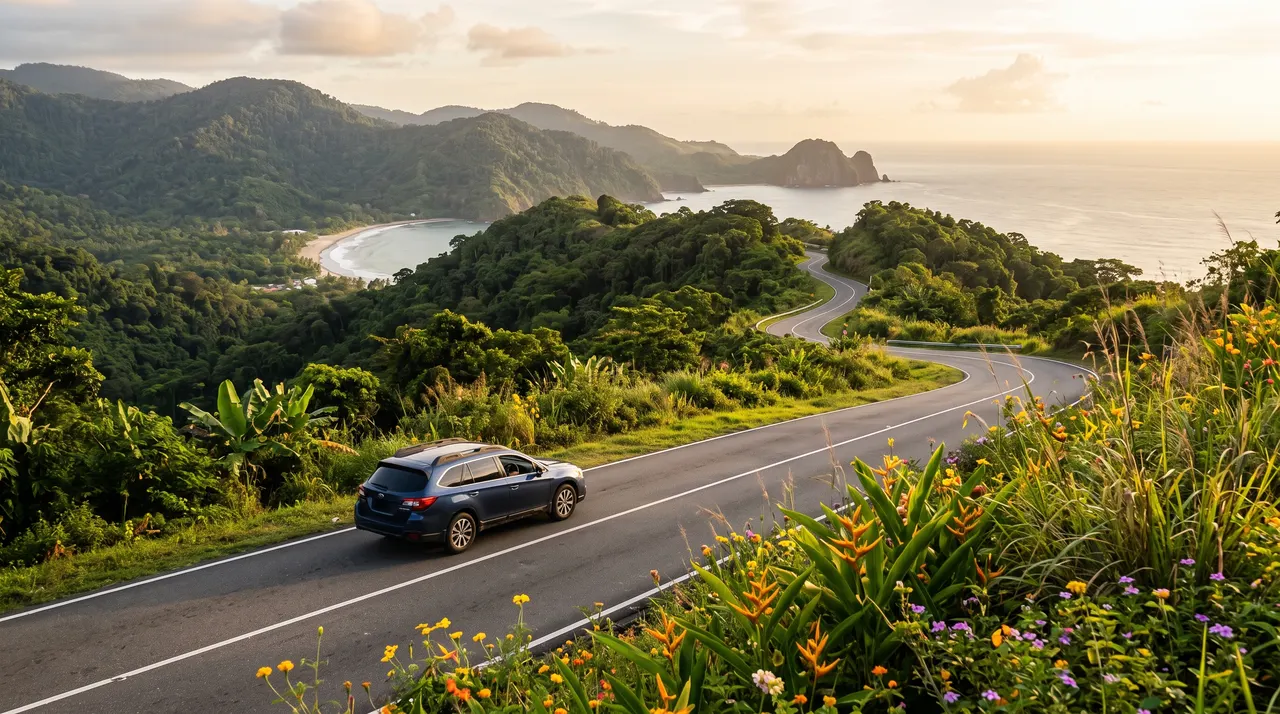
The North Coast Road from Maraval over the mountains down to Maracas Bay is Trinidad's famous scenic drive. For most visitors the real draw is the freedom to reach places trains and tours don't, on your own schedule, with the open road generally capped around 100 km/h highways. Getting behind the wheel is the easy part: your International Driving Permit is a certified translation of your South Africa licence, carried alongside it, so rental staff and officials in Trinidad and Tobago can read your credentials at a glance.
What applies to South Africa licence holders in Trinidad and Tobago
| South Africa licence in Trinidad and Tobago | |
|---|---|
| Do you need an IDP? | Recommended, not legally mandatory |
| IDP format required | 1949 Geneva |
| Your South Africa licence script | Roman (Latin) alphabet |
| South Africa is party to | 1949 Geneva and 1968 Vienna |
| Drives on the | Left-hand side |
| Minimum driving age | 18 |
| Emergency number | 999 (police), 811 (ambulance) |
| Top speed limit | 100 km/h highways |
| Currency | TTD |
Driving rules in Trinidad and Tobago you should know
- Drive on the left.
- Heavy congestion around Port of Spain.
- 0.08% alcohol limit.
- Seatbelts mandatory.
Local driving facts in Trinidad and Tobago
Emergency number: 999 (police), 811 (ambulance) (112 also connects from most mobiles). Typical maximum for cars on the fastest road class: 100 km/h highways. Posted limits always take precedence.
Tolls & road charges in Trinidad and Tobago
There are no toll roads in Trinidad and Tobago; the Uriah Butler, Solomon Hochoy and Churchill-Roosevelt highways are all free, with congestion rather than tolls being the main concern.
Parking in Trinidad and Tobago
Central Port of Spain has metered and paid lots but very tight, congested kerbside space; downtown and Charlotte Street areas see vehicle break-ins, so use guarded car parks and never leave valuables visible.
Penalties & enforcement in Trinidad and Tobago
From 1 January 2026 fines doubled: speeding ranges from TT$2,000 (1-9 km/h over) up to a TT$6,000 fixed penalty for 31 km/h or more, with heavy seatbelt, phone and DUI penalties; rental firms charge any camera tickets back to the hirer.
If you have an accident in Trinidad and Tobago
Call police on 999 (emergency 990 for fire/ambulance); report the accident to the Trinidad and Tobago Police Service (online or at a station), do not move vehicles when there are injuries, and exchange insurance details.
City driving in Trinidad and Tobago
Port of Spain's morning and evening rush on the Beetham and Wrightson Road into the city is severe, and the one-way grid downtown plus aggressive driving make the capital the hardest place to drive in the country.
Winter driving in Trinidad and Tobago
No winter-tyre rules - tropical climate.
Fuel in Trinidad and Tobago
Subsidised fuel is cheap: octane-95 petrol is about TT$7.75 and diesel about TT$4.41 per litre, sold by the litre at attended NP and UNIPET stations; many stations take cards but keep TT cash for smaller outlets.
Sources: newsday.co.tt, globalpetrolprices.com, ttps.gov.tt, idp-usa.com