Honduras El Salvador
 Honduras
  El Salvador
Last reviewed July 2026
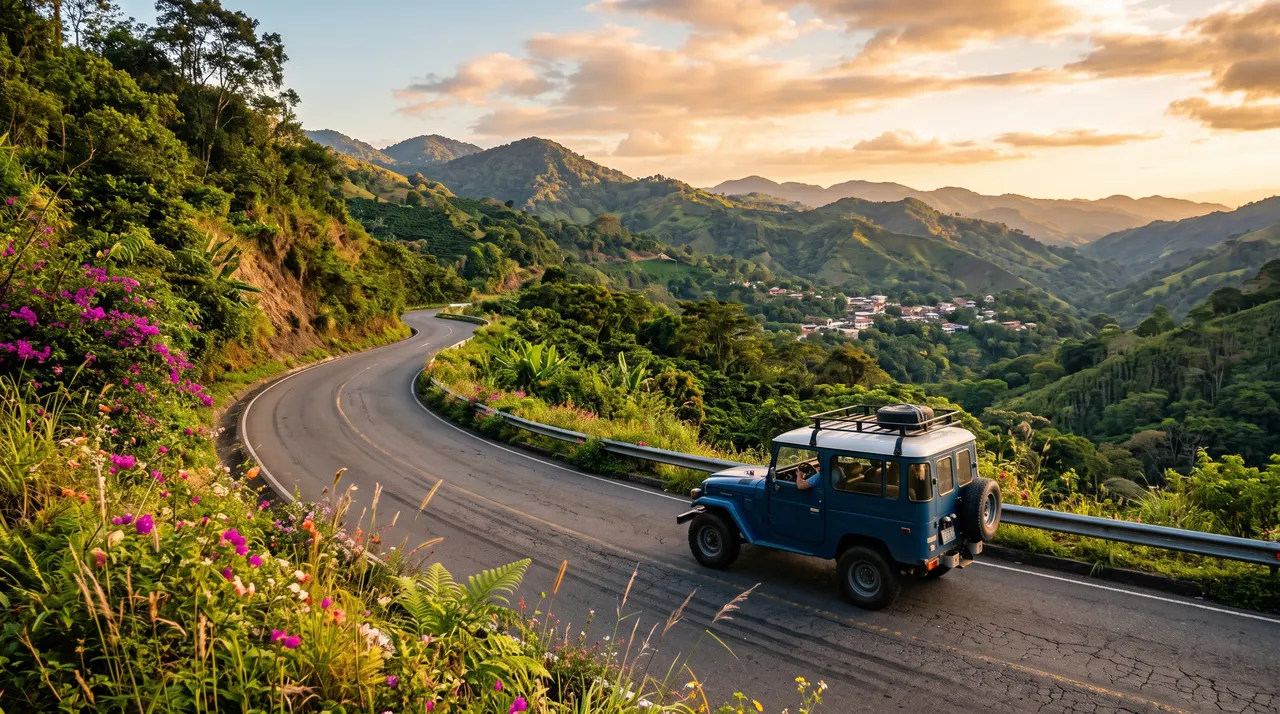
Crossing the border
Honduras and El Salvador share a land border you can cross by car. Keep your passport, national driving licence and International Driving Permit together, and check opening hours and any toll or vignette requirements before you travel.
Driving rules in El Salvador
- Drive on the right.
- Avoid night driving on rural roads.
- 0.05% alcohol limit.
- Carry passport and home licence.
Once you're driving in El Salvador
Destination-specific detail sourced from national road authorities, motoring clubs and rental policies — the things that catch cross-border drivers out.
Driving on a foreign licence
A foreign visitor may legally drive on a valid home licence for up to 90 days; an International Driving Permit is mandatory if the licence is not in Spanish or English.
Tolls & road charges
Tolls are few and inexpensive, typically under USD 2 per vehicle (the country uses the US dollar), and most booths accept only cash, so keep small bills handy.
Parking in the cities
San Salvador and other cities have metered/paid parking zones and attended lots; parking in no-stopping zones or blocking driveways draws fines or towing, with enforcement strict near commercial centers.
Fines & camera enforcement
Speeding, no seatbelt and phone use carry on-the-spot citations; you are usually given a notice and must settle at a police station/bank within about 14 days, and rental firms pass camera/unpaid fines to your card.
If you have an accident
Call 911 for police; drivers must remain at the scene and not move the vehicles until authorities arrive, especially when there are injuries, and a police report is needed for the insurance claim.
Driving in the capital
San Salvador's ring-and-radial system funnels traffic onto the Alameda Juan Pablo II and Bulevar de Los Heroes, which clog badly at rush hour; aggressive bus and pickup driving is the norm.
Sources: sv.usembassy.gov · rhinocarhire.com · tyremap.com · indietraveller.co