Iran Afghanistan
 Iran
Iran  Afghanistan
Last reviewed July 2026
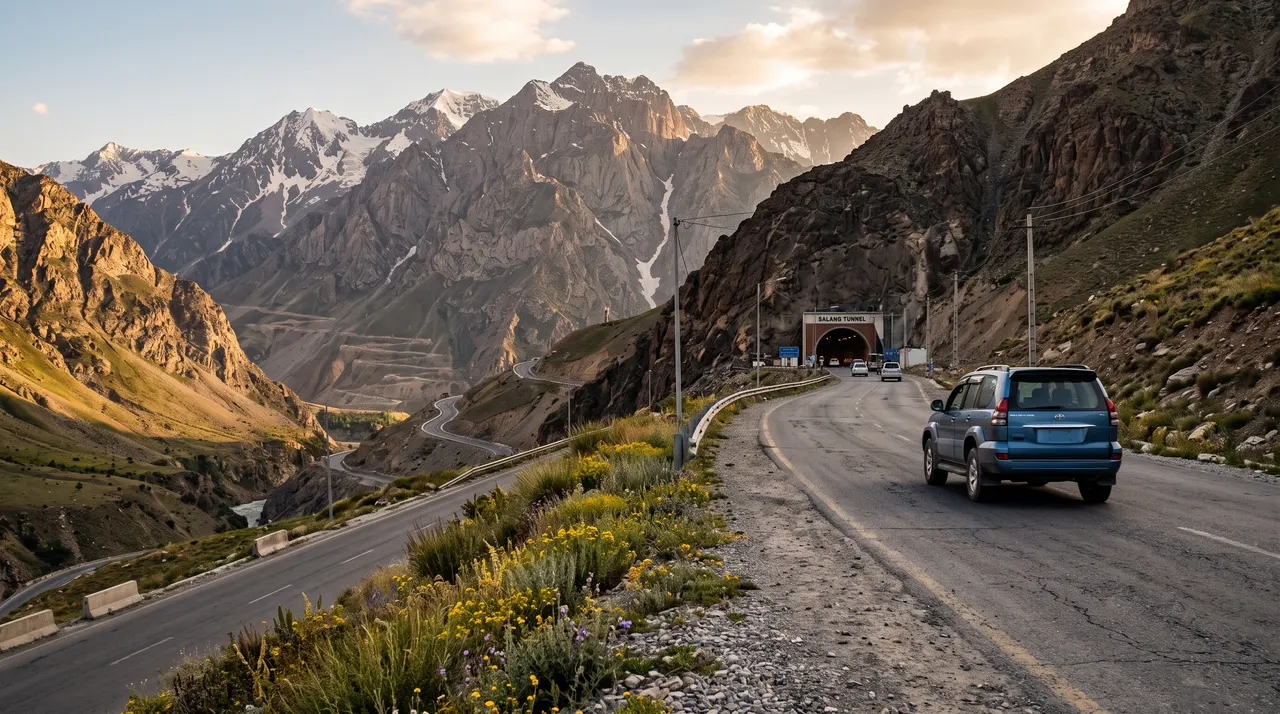
Crossing the border
Iran and Afghanistan share a land border you can cross by car. Keep your passport, national driving licence and International Driving Permit together, and check opening hours and any toll or vignette requirements before you travel.
Driving rules in Afghanistan
- Drive on the right.
- Carry passport, IDP and home licence.
- Checkpoints are frequent.
- Drive defensively on poorly maintained roads.
Once you're driving in Afghanistan
Destination-specific detail sourced from national road authorities, motoring clubs and rental policies — the things that catch cross-border drivers out.
Driving on a foreign licence
A foreign visitor may drive on their home national licence accompanied by a 1949/1968 International Driving Permit, which is the practical requirement and is routinely demanded at police and military checkpoints. An IDP is effectively mandatory from arrival, as a home licence alone is not reliably accepted.
Tolls & road charges
There is no organised national electronic toll or vignette system for tourists; some highway sections and bridges levy informal or cash road charges collected at checkpoints. Travel is otherwise overshadowed by security checkpoints rather than tolls.
Parking in the cities
There are no formal paid-zone or app-based urban parking systems; parking is informal and unmetered, typically guarded by attendants paid a small cash tip. Vehicles are best left in attended lots or hotel compounds for security.
Fines & camera enforcement
Traffic enforcement is informal and fines are typically settled in cash on the spot to police; there is no reliable centralised camera-fine system. Foreign drivers face far greater risk from security incidents than from formal penalties.
If you have an accident
After any crash do not move the vehicles and contact local police, though emergency response is unreliable; the 119 line is the nominal police number. A police report is needed for insurance and to pass checkpoints, but for safety travellers are advised to involve their embassy and a local fixer immediately.
Driving in the capital
In Kabul, traffic is chaotic and dominated by checkpoints and frequent security cordons that can close roads without warning, so a local driver who knows current restrictions is essential. Right-of-way is effectively by assertion at unmarked junctions.
Sources: internationaldrivingpermit.org · adcidl.com · traveldocsonline.com