Libya Tunisia
 Libya
Libya  Tunisia
Last reviewed July 2026
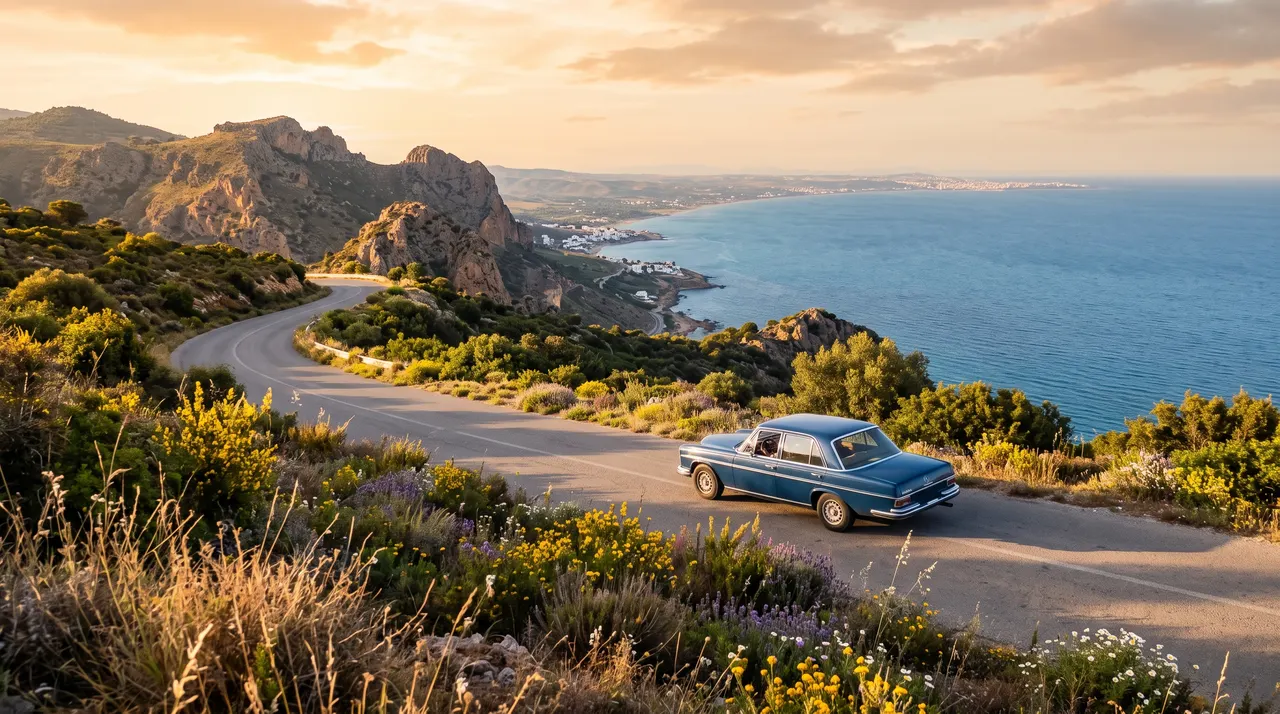
Crossing the border
Libya and Tunisia share a land border you can cross by car. Keep your passport, national driving licence and International Driving Permit together, and check opening hours and any toll or vignette requirements before you travel.
Driving rules in Tunisia
- Drive on the right.
- Toll motorway along the coast.
- Zero alcohol tolerance for driving.
- Carry passport, IDP and home licence.
What to see when you arrive in Tunisia
- the ruins of Carthage near Tunis
- the Roman amphitheatre of El Djem
- the medina of Tunis
- the Sahara gateway of Tozeur
- the blue-and-white village of Sidi Bou Said
Once you're driving in Tunisia
Destination-specific detail sourced from national road authorities, motoring clubs and rental policies — the things that catch cross-border drivers out.
Driving on a foreign licence
Visitors may drive on a valid foreign national licence for the duration of their tourist stay, but rental firms and police expect the licence details in Latin script; an International Driving Permit is required (and effectively mandatory) where the home licence is not in the Latin alphabet.
Tolls & road charges
The A1 (Tunis-Sfax), A3 (Tunis-Oued Zarga) and A4 (Tunis-Bizerte) motorways are barrier toll roads charged by distance; pay cash in Tunisian dinar at booths as cards are generally not accepted.
Parking in the cities
In Tunis and coastal towns paid street parking is run by uniformed attendants who collect a small dinar fee, and informal 'guardiens' will watch your car for a tip; use secure paid lots overnight as theft from unattended cars is a real risk.
Fines & camera enforcement
Police issue on-the-spot fines for speeding, no seatbelt and phone use, payable in cash in dinar; rental companies pass on camera/parking fines plus an admin fee to the card on file. Drink-driving and serious offences carry court action.
If you have an accident
Dial 197 for police; a police report is required for any injury accident and for insurance, and you must not move the vehicles. In death or serious-injury crashes police can place the driver in protective custody until cleared, so call your rental firm and consulate immediately.
Driving in the capital
Tunis traffic is dense and assertive, roundabouts ('ronds-points') give priority to cars already circulating, and lane discipline is loose; the central Avenue Habib Bourguiba area has restricted access and heavy congestion.
Sources: autoeurope.com · expat.com · travel.state.gov · tyremap.com