Mozambique Eswatini
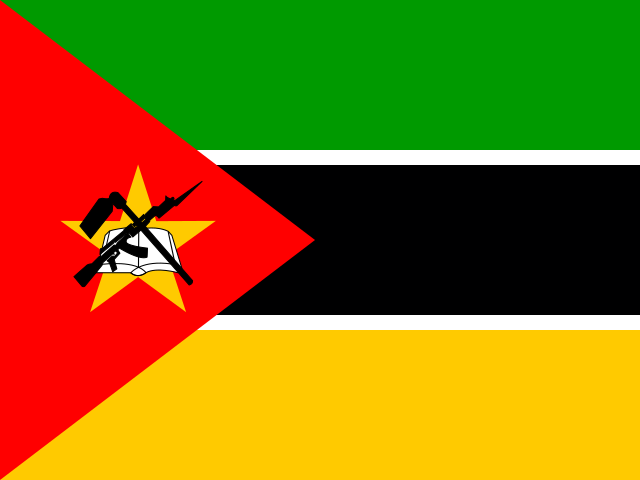 Mozambique
 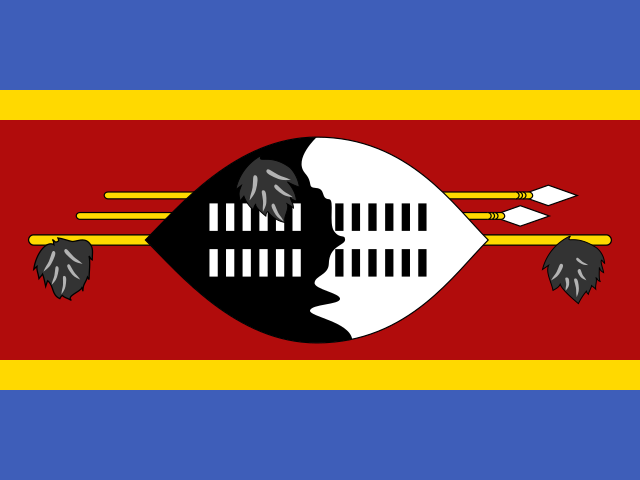 Eswatini
Last reviewed July 2026
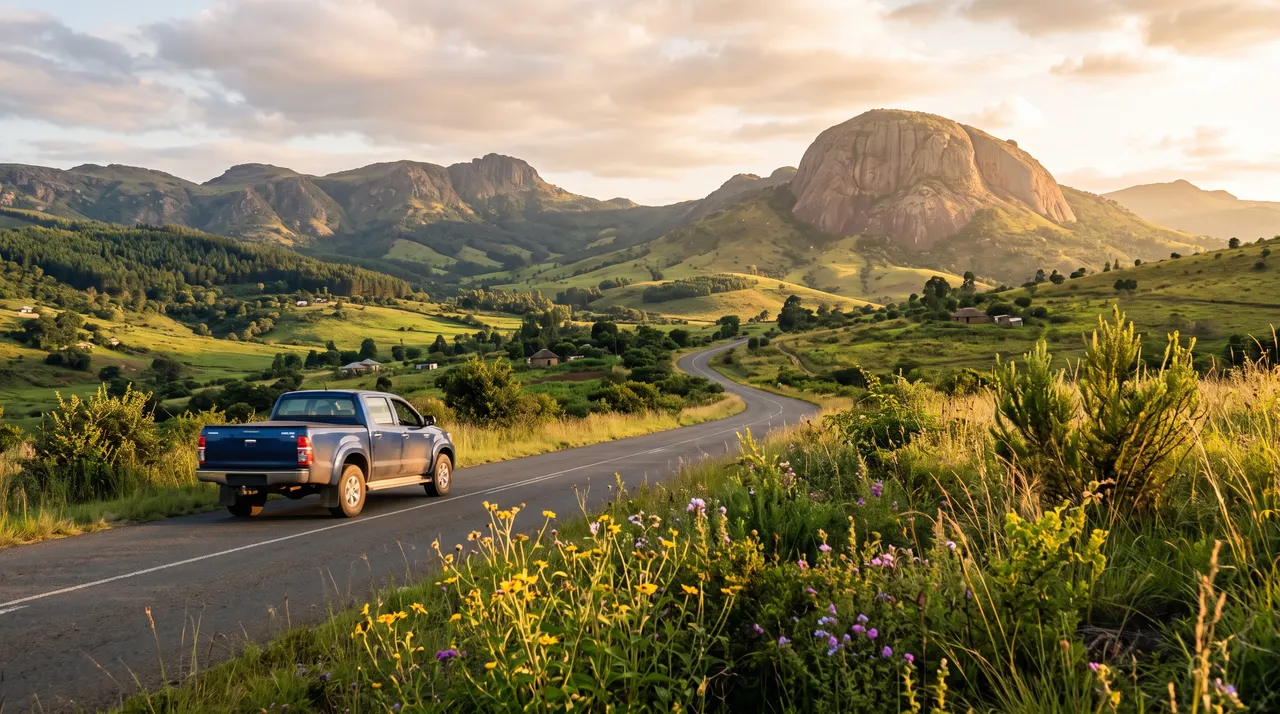
Crossing the border
Mozambique and Eswatini share a land border you can cross by car. Keep your passport, national driving licence and International Driving Permit together, and check opening hours and any toll or vignette requirements before you travel.
Driving rules in Eswatini
- Drive on the left.
- Watch for livestock on rural roads.
- 0.05% alcohol limit.
- Seatbelts mandatory.
Once you're driving in Eswatini
Destination-specific detail sourced from national road authorities, motoring clubs and rental policies — the things that catch cross-border drivers out.
Driving on a foreign licence
Visitors may drive on a valid national licence if it is in English and carries a photo; otherwise an International Driving Permit is required, and rental firms typically require renters to be 23+ with two years' experience.
Tolls & road charges
Eswatini has no toll roads, vignette or e-toll system, so tourists pay no road tolls.
Parking in the cities
Mbabane and Manzini use metered/attended pay-and-display street parking enforced by marshals during business hours; pay the attendant or meter and use guarded lots to avoid clamping.
Fines & camera enforcement
The drink-drive limit is 0.05% and strictly enforced; speeding (limits 60 urban / 80 rural / 120 highway km/h), seatbelt and hand-held phone offences draw fines, sometimes on-the-spot, which rental firms pass to your card.
If you have an accident
Stop and do not move vehicles if there are injuries; call police on 999 (or 977 for ambulance), and any accident with injury or significant damage must be reported to the Royal Eswatini Police for a report.
Driving in the capital
Drive on the LEFT; the MR3 corridor through Mbabane and the steep, winding Malagwane Hill descent into the Ezulwini Valley is notoriously accident-prone and heavily policed for speed.
Sources: tyremap.com · driverabroad.com · idp-usa.com · agribusinessmedia.com