Issued in as fast as 8 minutesInstant digital delivery to your inboxUsed in 195+ countries
International Driver LicenceIDP-format licence translation service
Home/Routes/South Sudan routes/to Central African Republic
Cross-border route

South Sudan Central African Republic
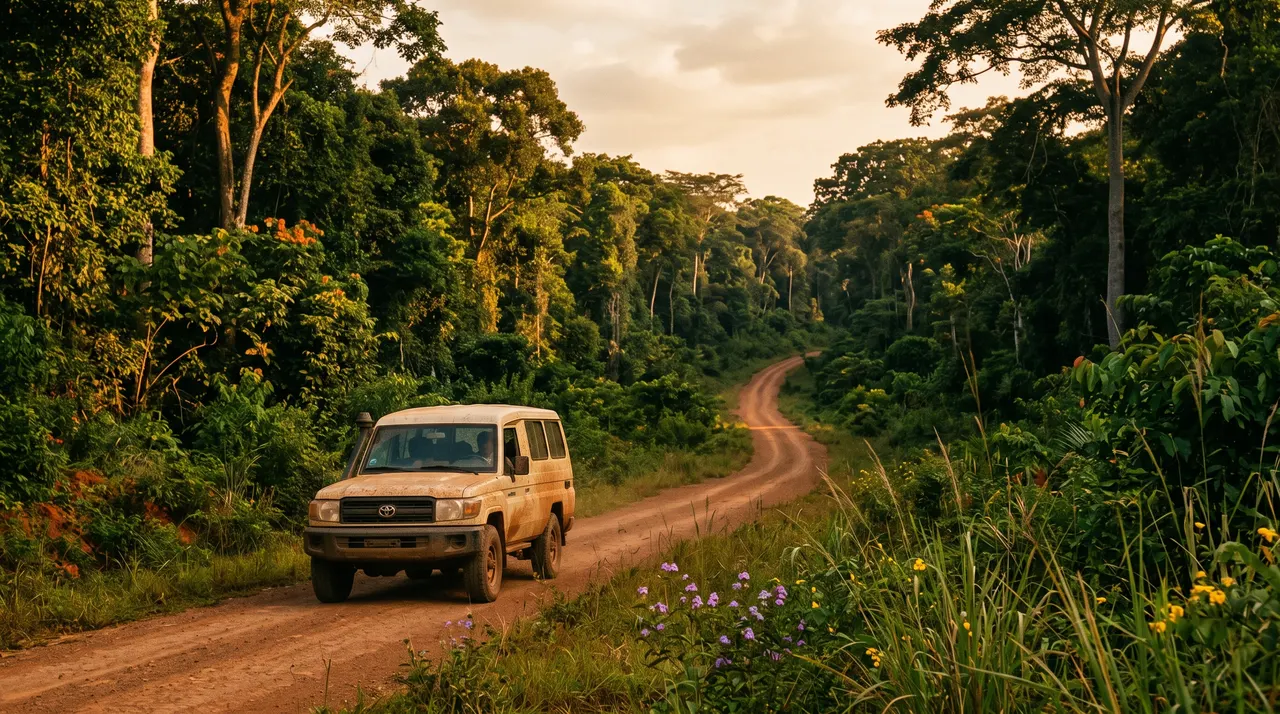
Driving across the border
Yes — you can drive from South Sudan into Central African Republic: carry a certified IDP translation of your licence alongside the original so border officials and rental desks can read your credentials. Central African Republic expects foreign drivers to hold an IDP, prepared in the 1949 Geneva Convention format. Both countries drive on the right, so there is no change of driving side at the border. Plan your border crossing in advance and keep your passport, national licence and IDP together.

Last reviewed July 2026

Route at a glance
FromSouth Sudan
ToCentral African Republic
IDP in Central African RepublicStrongly recommended
Accepted format1949 Geneva
Driving sideright (no change)
Currency in Central African RepublicXAF
Emergency number117 (police)
Top speed limit80 km/h highways
Driving in Central African Republic
South SudanCentral African Republic

Crossing the border

South Sudan and Central African Republic share a land border you can cross by car. Keep your passport, national driving licence and International Driving Permit together, and check opening hours and any toll or vignette requirements before you travel.

Driving rules in Central African Republic

  • Drive on the right.
  • Poor road conditions outside the capital.
  • Checkpoints are frequent.
  • Carry passport, IDP and home licence.

Once you're driving in Central African Republic

Destination-specific detail sourced from national road authorities, motoring clubs and rental policies — the things that catch cross-border drivers out.

Driving on a foreign licence

Foreign visitors should carry their home licence together with an International Driving Permit (1968 Convention) to drive legally; rental agencies and roadside authorities routinely require the IDP as a certified translation. Independent self-drive is rare and most travellers hire a car with a driver.

Tolls & road charges

There is no toll-road or vignette system; the sparse paved network, mostly in and around Bangui, is free. Beyond the capital almost all routes are unpaved compacted-dirt tracks.

Parking in the cities

Formal paid parking is essentially non-existent even in Bangui; vehicles are parked in guarded hotel, compound or embassy lots, and unattended street parking is discouraged for security reasons. Hiring a guard or driver to mind the car is standard.

Fines & camera enforcement

Checkpoints are numerous and officials commonly solicit informal 'fees'; request an official receipt for any fine and keep small CFA notes accessible. Speeding, no-seatbelt and phone-use fines are handled on the spot rather than by camera.

If you have an accident

Call police on 117 (gendarmerie 116); obtain a police report for any insurance claim and do not leave the scene. Given security volatility, contact your embassy and avoid confronting crowds that may gather.

Driving in the capital

In Bangui drivers tend to use only the smoothest strip of road regardless of lane, traffic signals are scarce, and checkpoints are frequent; keep doors locked, windows up and documents ready.

Sources: idaservice.org · internationaltravelpermits.com · internationaldrivinglicense.com · en.wikipedia.org

Common questions

01
Do I need an International Driving Permit to drive from South Sudan to Central African Republic?
Yes — Central African Republic commonly asks foreign drivers to carry an IDP with their national licence. Central African Republic recognises the 1949 Geneva Convention format, which is the format your certified IDP translation is prepared in.
02
Does the driving side change between South Sudan and Central African Republic?
No. Both South Sudan and Central African Republic drive on the right.
03
What is the emergency number and speed limit in Central African Republic?
In Central African Republic, dial 117 (police) for emergencies; 112 also works from most GSM phones. The maximum for cars on the fastest road class is 80 km/h highways, but posted limits in towns and on secondary roads are lower and always take precedence.
04
How do tolls and road charges work in Central African Republic?
There is no toll-road or vignette system; the sparse paved network, mostly in and around Bangui, is free. Beyond the capital almost all routes are unpaved compacted-dirt tracks.
05
How quickly can I get an IDP for this trip?
International Driver Licence issues your digital IDP in as fast as 8 minutes, so you can have it ready before you set off.
100% money-back guarantee
Full refund if your permit is ever declined.
Unlimited replacements
Lost or damaged? Re-download or reprint, free.
24/7 support
Help before and during your trip, any hour.
Excellent
reviews
Not usable? You don't payGet my permit · $49