 Nigeria licence
  Antigua and Barbuda
Can you drive in Antigua and Barbuda with a Nigeria license?
Short answer: you cannot drive in Antigua and Barbuda on a Nigeria license or an International Driving Permit alone — Antigua and Barbuda requires a local or temporary licence.
An International Driving Permit is not sufficient to drive in Antigua and Barbuda. Antigua and Barbuda does not accept the IDP for foreign visitors — a local or temporary licence is required. Always confirm the current rule before you travel.
Nigerian drivers should carry an International Driving Permit alongside their national licence when driving abroad. Your International Driving Permit is a certified multilingual translation of your existing licence, prepared in the Local rules format and carried alongside your national licence.


What driving in Antigua and Barbuda is like
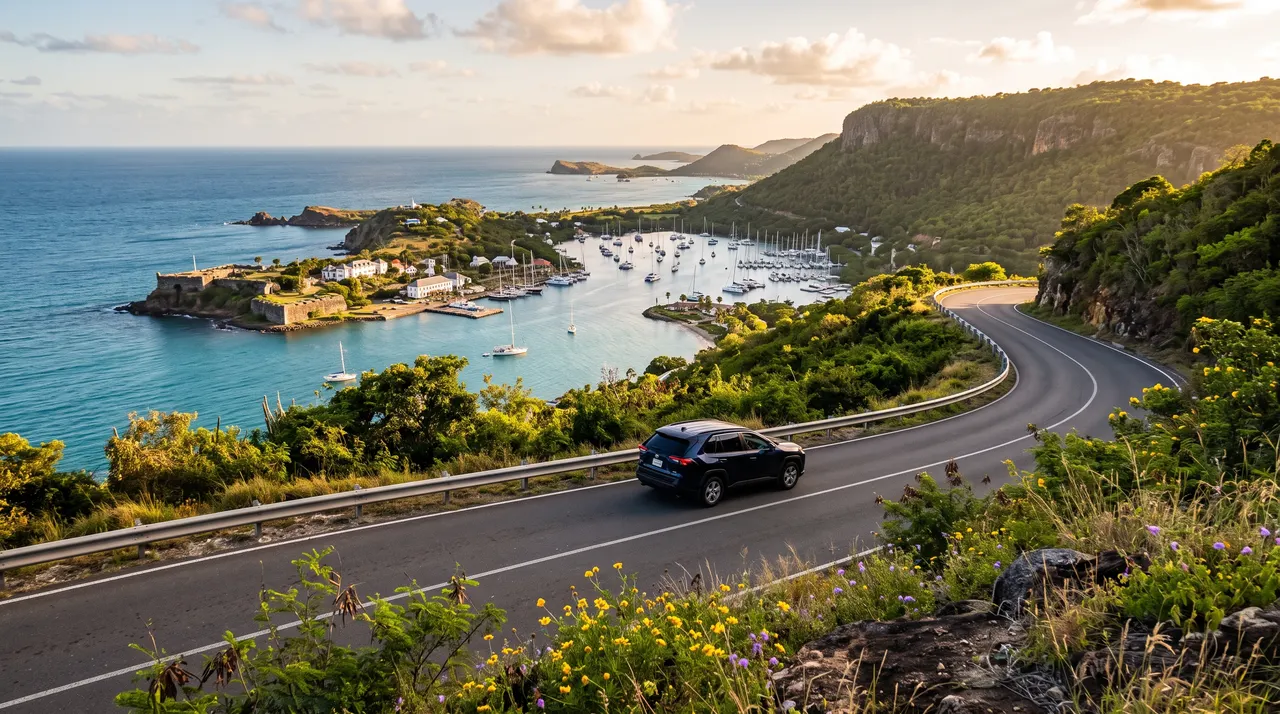
The coastal drive over Shirley Heights for the panoramic overlook of English Harbour and Nelson's Dockyard is the island's classic must-do route. For most visitors the real draw is the freedom to reach places trains and tours don't, on your own schedule, with the open road generally capped around 40 mph open roads. Getting behind the wheel is the easy part: your International Driving Permit is a certified translation of your Nigeria licence, carried alongside it, so rental staff and officials in Antigua and Barbuda can read your credentials at a glance.
What applies to Nigeria licence holders in Antigua and Barbuda
| Nigeria licence in Antigua and Barbuda | |
|---|---|
| Do you need an IDP? | An IDP is not sufficient here |
| IDP format required | Local licensing rules apply |
| Your Nigeria licence script | Roman (Latin) alphabet |
| Nigeria is party to | 1949 Geneva and 1968 Vienna |
| Drives on the | Left-hand side |
| Minimum driving age | 18 |
| Emergency number | 911 or 999 |
| Top speed limit | 40 mph open roads |
| Currency | XCD |
Driving rules in Antigua and Barbuda you should know
- Drive on the left.
- Buy a local temporary driving permit.
- Narrow, winding roads.
- Seatbelts mandatory.
Local driving facts in Antigua and Barbuda
Emergency number: 911 or 999 (112 also connects from most mobiles). Typical maximum for cars on the fastest road class: 40 mph open roads. Posted limits always take precedence.
Tolls & road charges in Antigua and Barbuda
There are no toll roads or toll systems anywhere in Antigua and Barbuda; all public roads are free to use.
Parking in Antigua and Barbuda
Parking in St. John's is informal with no large paid-meter network; use marked lots and avoid blocking narrow streets or yellow-lined areas, where vehicles can be ticketed or towed.
Penalties & enforcement in Antigua and Barbuda
Seatbelts are compulsory for all occupants and handheld phone use at the wheel is illegal; police can issue on-the-spot fines, and rental firms pass any tickets (plus an admin fee) to the renter's card.
If you have an accident in Antigua and Barbuda
For minor damage with no injuries you need not call emergency services, but exchange details and notify your rental firm; if anyone is injured or a vehicle is undriveable, call 911/999, do not move the vehicles and wait for police.
City driving in Antigua and Barbuda
Traffic moves on the LEFT and you give way to the right at St. John's roundabouts; the town's narrow one-way streets and pedestrians near the cruise port and Heritage/Redcliffe Quay demand slow, cautious driving.
Winter driving in Antigua and Barbuda
No winter-tyre rules - tropical climate
Fuel in Antigua and Barbuda
Fuel is sold by the imperial gallon and priced in EC dollars, roughly EC$13.99 (about US$5.18) per gallon for gasoline and EC$14.25 (about US$5.27) for diesel; stations are attendant-served and most accept major cards in tourist areas.
Sources: internationaldrivingpermit.org, antiguablog.co.uk, rhinocarhire.com