 India licence
  Mali
MaliCan you drive in Mali with an India license?
Short answer: to drive in Mali with an India license you need an International Driving Permit in the 1949 Geneva format, carried together with your India license.
Yes — to drive in Mali on an India licence you should carry an International Driving Permit together with your India licence. Mali expects foreign drivers to hold an IDP.
Indian drivers need an International Driving Permit to drive or rent a car in most countries abroad. Your International Driving Permit is a certified multilingual translation of your existing licence, prepared in the 1949 Geneva format and carried alongside your national licence.


What driving in Mali is like
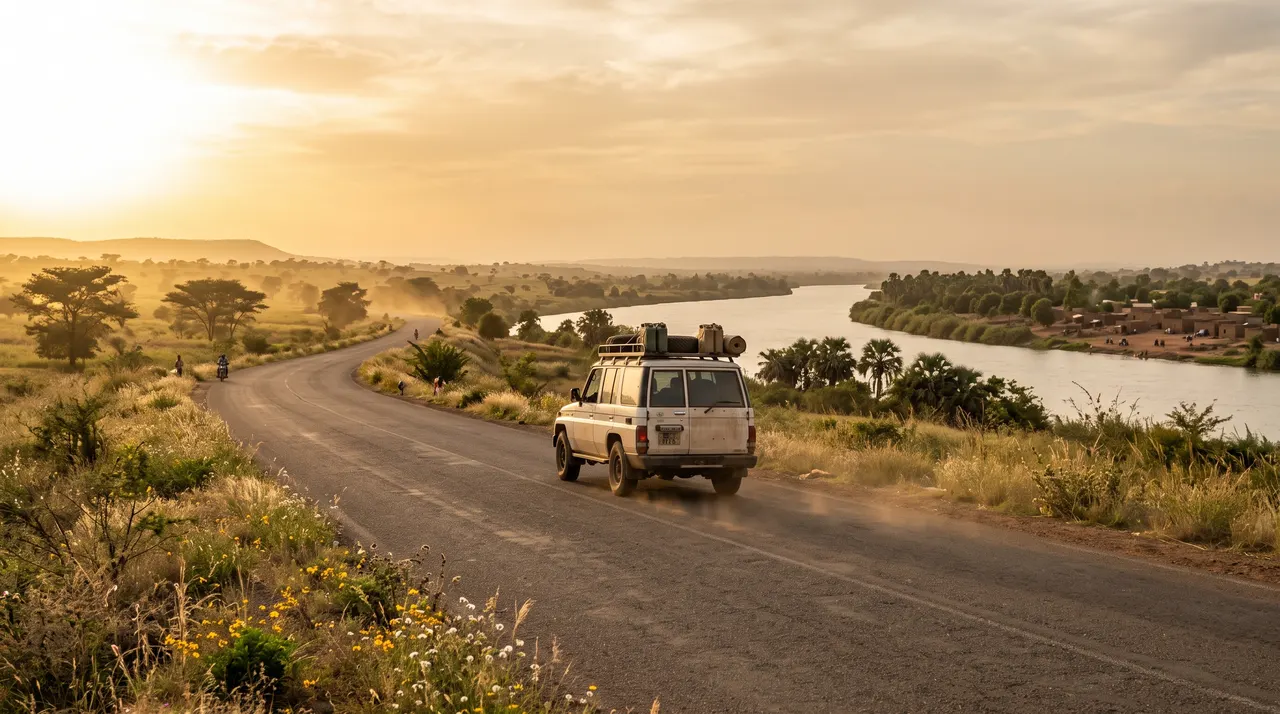
The Niger River route from Bamako toward Ségou (and historically on to Djenné and Mopti) is Mali's iconic drive, security situation permitting. For most visitors the real draw is the freedom to reach places trains and tours don't, on your own schedule, with the open road generally capped around 90 km/h highways. Getting behind the wheel is the easy part: your International Driving Permit is a certified translation of your India licence, carried alongside it, so rental staff and officials in Mali can read your credentials at a glance.
What applies to India licence holders in Mali
| India licence in Mali | |
|---|---|
| Do you need an IDP? | Yes — carry one alongside your licence |
| IDP format required | 1949 Geneva |
| Your India licence script | Roman (Latin) alphabet |
| India is party to | 1949 Geneva |
| Drives on the | Right-hand side |
| Minimum driving age | 18 |
| Emergency number | 17 (police), 15 (ambulance) |
| Top speed limit | 90 km/h highways |
| Currency | XOF |
Driving rules in Mali you should know
- Drive on the right.
- Sandy, remote desert roads.
- 0.08% alcohol limit.
- Carry passport, IDP and home licence.
Local driving facts in Mali
Emergency number: 17 (police), 15 (ambulance) (112 also connects from most mobiles). Typical maximum for cars on the fastest road class: 90 km/h highways. Posted limits always take precedence.
Tolls & road charges in Mali
Mali has no developed national toll network or vignette for tourists; main routes are generally free, though informal 'fees' are levied at police and security checkpoints. International rental presence is limited, so most hire 4x4s from Bamako firms.
Parking in Mali
Bamako parking is informal with no colour-coded paid zones; 'gardiens' watch parked vehicles for a small CFA-franc tip. Use secure hotel or guarded parking, as theft is a risk.
Penalties & enforcement in Mali
Checkpoint stops frequently end in an unofficial cash 'fine' regardless of any actual offence, and people posing as police may demand money; keep registration, insurance and your IDP accessible. Documented fines on a hire car are passed back to the renter.
If you have an accident in Mali
Drive on the right and carry a warning triangle, first-aid kit and fire extinguisher (mandatory). If a crash occurs and it is safe, it is often safer to drive to the nearest police or military checkpoint to report it than to remain at the scene; emergency numbers are police 17, ambulance 18, fire 15, though service is unreliable outside central Bamako.
City driving in Mali
Bamako traffic is congested and chaotic with huge numbers of motorbikes that ignore traffic rules, few working signals and poor street lighting; avoid night driving even in the capital.
Winter driving in Mali
No winter-tyre rules - hot Sahelian/desert climate; the hazards are the dusty harmattan season and rainy-season (June-September) washouts rather than snow.
Fuel in Mali
Petrol (essence) and diesel (gasoil) are sold at attended stations, plentiful in Bamako and on major roads but scarce in remote regions, so keep the tank full before long trips. Cash (CFA francs) is expected; card acceptance is rare.
Sources: smartraveller.gov.au, travel.gc.ca, countryreports.org, driverabroad.com