 Philippines licence
  Sierra Leone
Can you drive in Sierra Leone with a Philippines license?
Short answer: you cannot drive in Sierra Leone on a Philippines license or an International Driving Permit alone — Sierra Leone requires a local or temporary licence.
An International Driving Permit is not sufficient to drive in Sierra Leone. Sierra Leone does not accept the IDP for foreign visitors — a local or temporary licence is required. Always confirm the current rule before you travel.
Philippine drivers need an International Driving Permit to drive or rent a car in most countries abroad. Your International Driving Permit is a certified multilingual translation of your existing licence, prepared in the Local rules format and carried alongside your national licence.


What driving in Sierra Leone is like
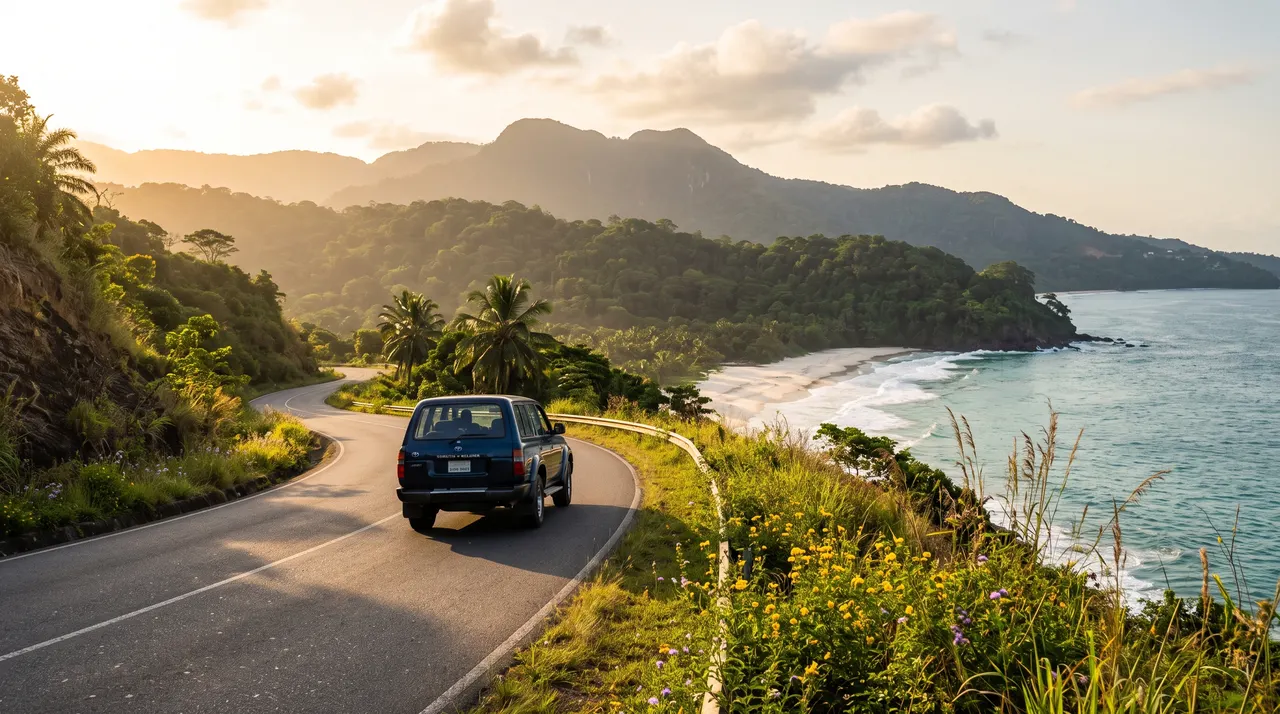
The Freetown Peninsula coastal road past River No. 2 and the white-sand beaches of the western peninsula is the country's most rewarding drive. For most visitors the real draw is the freedom to reach places trains and tours don't, on your own schedule, with the open road generally capped around 80 km/h highways. Getting behind the wheel is the easy part: your International Driving Permit is a certified translation of your Philippines licence, carried alongside it, so rental staff and officials in Sierra Leone can read your credentials at a glance.
What applies to Philippines licence holders in Sierra Leone
| Philippines licence in Sierra Leone | |
|---|---|
| Do you need an IDP? | An IDP is not sufficient here |
| IDP format required | Local licensing rules apply |
| Your Philippines licence script | Roman (Latin) alphabet |
| Philippines is party to | 1968 Vienna |
| Drives on the | Right-hand side |
| Minimum driving age | 18 |
| Emergency number | 999 or 019 (police) |
| Top speed limit | 80 km/h highways |
| Currency | SLE |
Driving rules in Sierra Leone you should know
- Drive on the right.
- Poor roads in the rainy season.
- 0.05% alcohol limit.
- Carry passport, IDP and home licence.
Local driving facts in Sierra Leone
Emergency number: 999 or 019 (police) (112 also connects from most mobiles). Typical maximum for cars on the fastest road class: 80 km/h highways. Posted limits always take precedence.
Tolls & road charges in Sierra Leone
There is no national electronic toll or vignette scheme; the main paved corridors (such as the Freetown-Bo highway and the Freetown toll road / Wellington-Masiaka stretch) may levy a cash toll at barriers, otherwise roads are free.
Parking in Sierra Leone
Street parking in central Freetown is congested and largely informal, with attendants expecting a small cash tip; use hotel or guarded lots where possible and avoid leaving vehicles unattended on busy streets.
Penalties & enforcement in Sierra Leone
Foreign drivers most often encounter on-the-spot police checks for documents and seatbelt/phone use, with fines typically paid in cash; enforcement is uneven, so always carry your IDP, licence and rental papers to avoid roadside disputes.
If you have an accident in Sierra Leone
Call the police (emergency line 999, or 019) and wait for an official report; do not move vehicles after a serious or injury crash, and note that road signage and accident protocols are inconsistent so document the scene yourself with photos.
City driving in Sierra Leone
Freetown is steep, congested and chaotic with motorbike taxis ('okadas') weaving constantly; self-driving in the city is discouraged for first-timers and many visitors hire a car with a local driver instead.
Winter driving in Sierra Leone
No winter-tyre rules - tropical climate.
Fuel in Sierra Leone
Stations sell petrol and diesel and are attendant-served, but reliable supply is concentrated in Freetown and major towns, so refuel before rural trips; carry cash (Leones) as card payment is rarely available.
Sources: worldtravelguide.net, travel.state.gov, internationaldriversassociation.com, tyremap.com