 US licence
  Turkey
Can you drive in Turkey with a US license?
Short answer: to drive in Turkey with a US license you need an International Driving Permit in the 1949 Geneva or 1968 Vienna format, carried together with your US license.
Yes — to drive in Turkey on a US licence you should carry an International Driving Permit together with your US licence. Turkey expects foreign drivers to hold an IDP.
U.S. drivers should carry an International Driving Permit alongside their state licence when driving or renting a car abroad. Your International Driving Permit is a certified multilingual translation of your existing licence, prepared in the 1949 Geneva & 1968 Vienna format and carried alongside your national licence.


What driving in Turkey is like
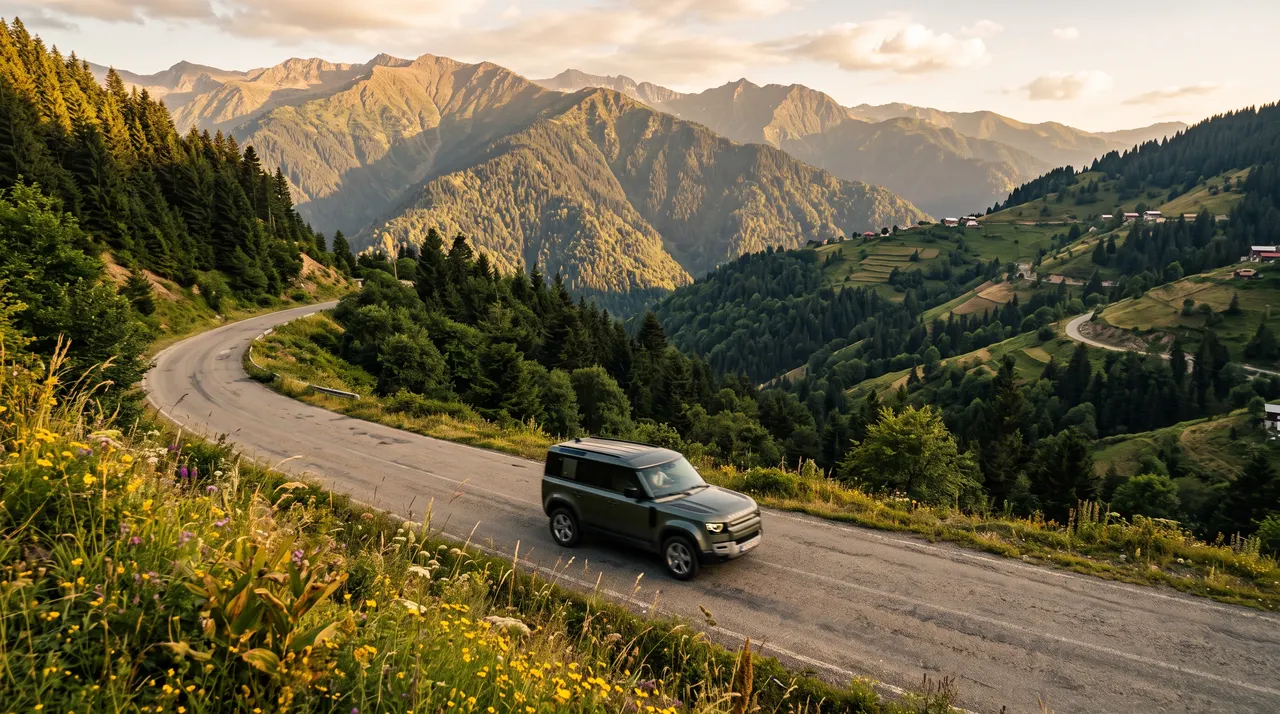
The Black Sea coastal road from Trabzon up to the Zigana Pass and the highland Ayder plateau is a celebrated Turkish drive. For most visitors the real draw is the freedom to reach places trains and tours don't, on your own schedule, with the open road generally capped around 140 km/h otoyol motorways. Getting behind the wheel is the easy part: your International Driving Permit is a certified translation of your US licence, carried alongside it, so rental staff and officials in Turkey can read your credentials at a glance.
What applies to US licence holders in Turkey
| US licence in Turkey | |
|---|---|
| Do you need an IDP? | Yes — carry one alongside your licence |
| IDP format required | 1949 Geneva or 1968 Vienna |
| Your US licence script | Roman (Latin) alphabet |
| United States is party to | 1949 Geneva |
| Drives on the | Right-hand side |
| Minimum driving age | 18 |
| Emergency number | 112 |
| Top speed limit | 140 km/h otoyol motorways |
| Currency | TRY |
Driving rules in Turkey you should know
- HGS/OGS electronic tolls on motorways and bridges.
- Headlights and seatbelts mandatory.
- 0.05% alcohol limit; zero if towing.
- Carry passport, licence and IDP.
Local driving facts in Turkey
Emergency number: 112 (112 also connects from most mobiles). Typical maximum for cars on the fastest road class: 140 km/h otoyol motorways. Posted limits always take precedence.
Tolls & road charges in Turkey
Motorways and bridges use the electronic HGS sticker-tag (OGS was retired in 2022); foreign-plated cars must have an HGS tag with sufficient balance. Rental cars come with an HGS device fitted and tolls are billed to your rental account afterward.
Parking in Turkey
Cities use the municipal İSPARK paid system with signed bays paid by attendant, kiosk or app; unauthorised street parking is ticketed or towed, and hotels often provide private parking.
Penalties & enforcement in Turkey
Speeding, mobile-phone and seatbelt fines are issued by patrol or camera; police can take on-the-spot payment and tourists often get a discount for immediate settlement. Rental firms forward camera fines to your card with an admin fee.
If you have an accident in Turkey
Call 112 (single emergency number) and, on any injury or disagreement, the traffic police (155). Do not move the vehicles until police arrive unless they block traffic dangerously; a police report ('kaza tutanagi') is needed for insurance.
City driving in Turkey
Istanbul's traffic is notoriously dense and the two Bosphorus bridges (15 Temmuz Sehitler and FSM) are HGS-only with no cash lane, so an unloaded tag means an automatic penalty when crossing between the European and Asian sides.
Winter driving in Turkey
Winter tyres are mandatory for commercial vehicles from 15 November to 15 April; private cars are only strongly advised (recommended below 7C) but chains/winter tyres can be required on specific mountain passes when signed. Non-compliance fines run into thousands of lira.
Fuel in Turkey
Stations are attendant-served; petrol is 'benzin' (95 octane Kursunsuz) and diesel is 'motorin', both among Europe's pricier fuels at roughly 45-50 TL per litre. Cards are accepted everywhere.
Sources: turing.tr, tollguru.com, turkiyetoday.com, avis.co.uk