Bosnia and Herzegovina Croatia
 Bosnia and Herzegovina
  Croatia
Last reviewed July 2026
Crossing the border
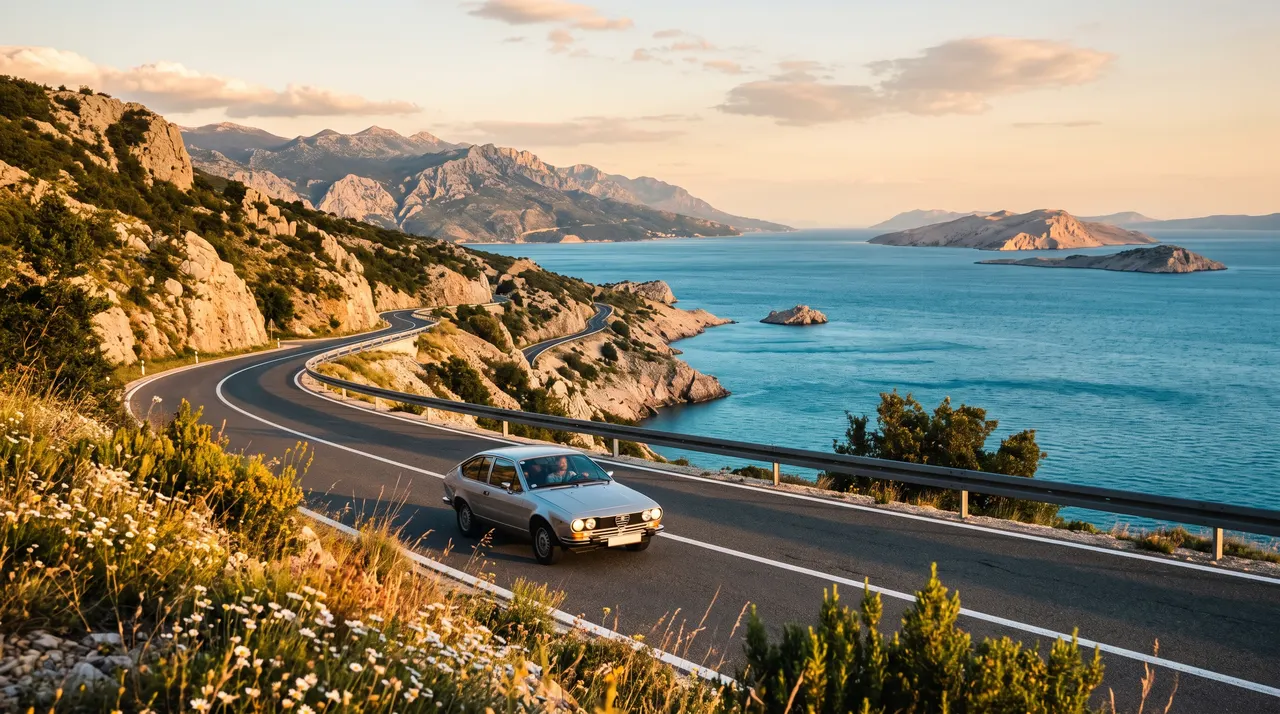
Bosnia and Herzegovina and Croatia share a land border you can cross by car. Keep your passport, national driving licence and International Driving Permit together, and check opening hours and any toll or vignette requirements before you travel.
Driving rules in Croatia
- Headlights on in winter and in poor visibility.
- Reflective vest and triangle required.
- 0.05% alcohol limit; zero for drivers under 24.
- Toll motorways along the Adriatic.
What to see when you arrive in Croatia
- the walled old town of Dubrovnik
- the Plitvice Lakes
- Diocletian's Palace in Split
- the islands of the Dalmatian coast
- the Roman arena of Pula
Once you're driving in Croatia
Destination-specific detail sourced from national road authorities, motoring clubs and rental policies — the things that catch cross-border drivers out.
Driving on a foreign licence
EU/EEA licences are valid as-is; non-EU visitors may drive on their home licence for short tourist stays but should carry an International Driving Permit alongside it (mandatory if the licence is not in Latin script). Rental firms require the licence held at least one year and usually a minimum age of 21.
Tolls & road charges
Croatia still uses a ticket-based toll system on most motorways (A1/A3/A5/A6 etc.), not a vignette: take a ticket on entry and pay on exit by cash (euros) or card; an ENC electronic tag gives a discount. Costs vary by distance, e.g. roughly EUR 30+ for Zagreb to Split.
Parking in the cities
Cities use colour-coded paid zones controlled mainly by SMS/app: in Zagreb Zone 1 is about EUR 1.60/hr (max 2 hrs), Zone 2 about EUR 0.70/hr (max 3 hrs), with cheaper outer zones. Coastal towns get extremely congested in summer; illegal parking risks towing.
Fines & camera enforcement
Foreign drivers face on-the-spot fines from about EUR 70 for moderate speeding up to roughly EUR 2,000 for extreme speeding; the alcohol limit is 0.5 g/l (0.0 for drivers under 25). Speed cameras typically tolerate only about 10 km/h over, and rental firms pass camera fines to the renter with an admin fee.
If you have an accident
Call 112 (or police 192) and report any accident involving injury or significant damage; for minor damage-only crashes, move vehicles clear and complete a European Accident Statement form. Leaving the scene of an injury accident is a serious offence.
Driving in the capital
Zagreb's compact Upper Town (Gornji Grad) and the area around Ban Jelacic square have narrow one-way streets, trams sharing the carriageway, and tight paid parking zones - most visitors park in a garage and walk.
Sources: rac.co.uk · croatiaweek.com · zagrebparking.hr · tyremap.com