 Canada licence
  Belarus
Can you drive in Belarus with a Canada license?
Short answer: to drive in Belarus with a Canada license you need an International Driving Permit in the 1968 Vienna format, carried together with your Canada license.
Yes — to drive in Belarus on a Canada licence you should carry an International Driving Permit together with your Canada licence. Belarus expects foreign drivers to hold an IDP.
Canadian drivers should carry an International Driving Permit alongside their provincial licence when driving abroad. Your International Driving Permit is a certified multilingual translation of your existing licence, prepared in the 1968 Vienna format and carried alongside your national licence.


What driving in Belarus is like
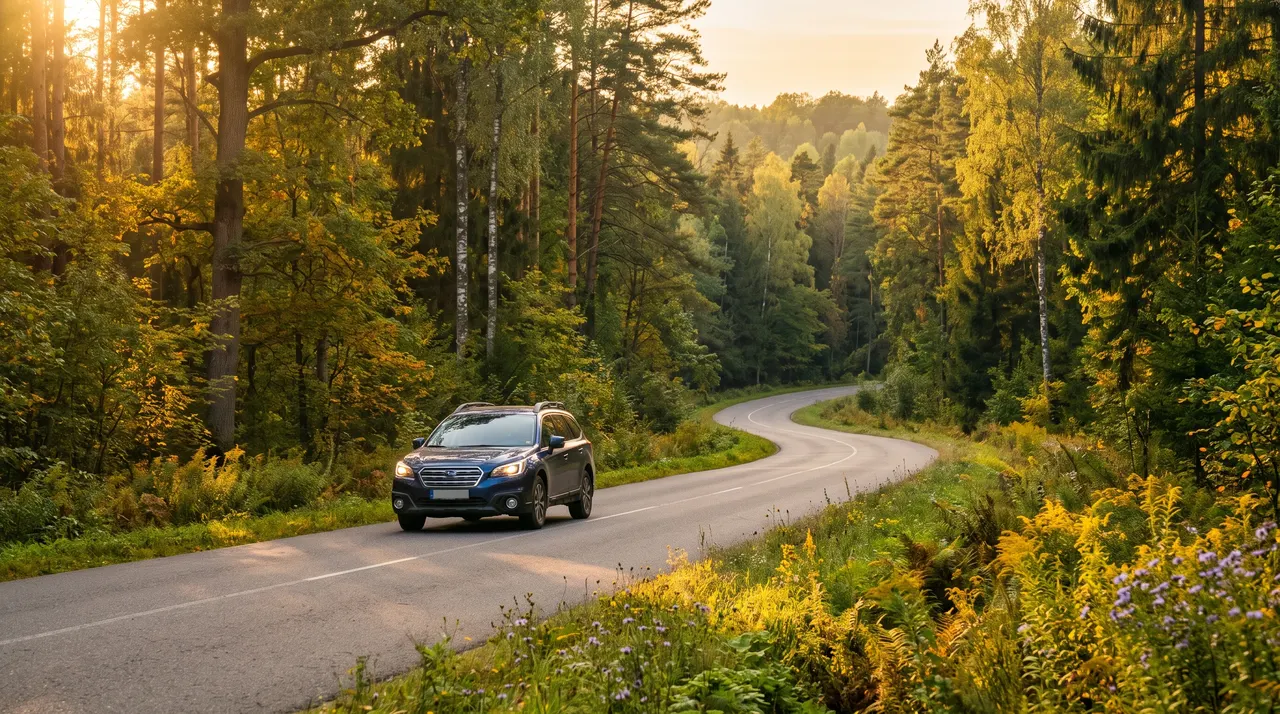
The drive through Belovezhskaya Pushcha National Park (the ancient primeval forest on the Polish border) is the country's signature scenic route. For most visitors the real draw is the freedom to reach places trains and tours don't, on your own schedule, with the open road generally capped around 110 km/h motorways. Getting behind the wheel is the easy part: your International Driving Permit is a certified translation of your Canada licence, carried alongside it, so rental staff and officials in Belarus can read your credentials at a glance.
What applies to Canada licence holders in Belarus
| Canada licence in Belarus | |
|---|---|
| Do you need an IDP? | Yes — carry one alongside your licence |
| IDP format required | 1968 Vienna |
| Your Canada licence script | Roman (Latin) alphabet |
| Canada is party to | 1949 Geneva |
| Drives on the | Right-hand side |
| Minimum driving age | 18 |
| Emergency number | 112 or 102 |
| Top speed limit | 110 km/h motorways |
| Currency | BYN |
Driving rules in Belarus you should know
- Drive on the right.
- Zero-tolerance alcohol policy (0.0%).
- Headlights on outside built-up areas.
- Carry passport, IDP and home licence.
Local driving facts in Belarus
Emergency number: 112 or 102 (112 also connects from most mobiles). Typical maximum for cars on the fastest road class: 110 km/h motorways. Posted limits always take precedence.
Tolls & road charges in Belarus
Belarus runs the BelToll electronic system on major highways (including the M1 to/from the Polish border); cars over 3.5t and most foreign cars must fit an on-board unit obtained with a deposit at border points and BelToll stations, paying per kilometre.
Parking in Belarus
Central Minsk has paid parking zones marked by signs, payable by SMS, the parking app or terminals; many hotels and malls offer lots. Unpaid or illegal parking risks fines and, near government buildings, towing.
Penalties & enforcement in Belarus
Traffic police can levy on-the-spot fines that are often higher than visitors expect, covering speeding, no seatbelt and phone use; pay against an official receipt only, and note enforcement is strict with frequent roadside checks.
If you have an accident in Belarus
Call 102 for police and 103 for ambulance (or 112). You must not move the vehicles and must wait for the traffic police (GAI) to attend and document the scene; a police report is effectively mandatory for any insurance or rental claim.
City driving in Belarus
In Minsk the wide central Independence Avenue and its underpasses move fast, stopping or standing on main avenues is tightly enforced, and foreigners are frequently stopped for routine document checks so keep IDP, passport and insurance to hand.
Winter driving in Belarus
Winter tyres are required in the cold season (broadly December through February, and whenever roads are snow- or ice-covered); studded or M+S marked tyres with adequate tread are expected during winter months.
Fuel in Belarus
Unleaded petrol (typically A-92, A-95, A-98) and diesel are widely sold by Belorusneft and Lukoil; stations are usually attendant-assisted (pay the cashier first), fuel is cheap by EU standards, and rural cards may be refused so carry cash (Belarusian rubles).
Sources: rac.co.uk, belarus.by, internationaldriversassociation.com, tyremap.com